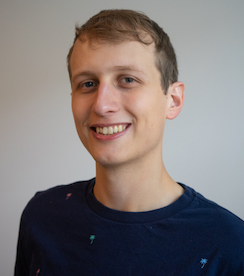
Hello! 👋 I am Co-Founder, CTO and Chief Scientist @ molecule.one, where we build a highly automated chemistry platform for synthesis and autonomous scientific discovery. I am also Area Chair for ICLR 2026 and Venture Advisor at Expeditions Fund.

I am passionate about understanding natural and artificial learning systems, from deep neural networks to the scientific process and economy. I believe that we should look for inspiration in such natural processes to build neural networks capable of continual learning, creativity and high sample efficiency.

I am now applying this optimization lens to autonomous discovery of new chemistry at molecule.one.

Previously, during my PhD, I studied the foundations of gradient-based training and co-authored work showing how optimization dynamics drives neural networks into high-curvature chaotic regimes, helping explain the role of learning rate in generalization and training stability (ICLR 2020 spotlight; also covered in Understanding Deep Learning, Prince, MIT Press).

I joined molecule.one as a co-founder to build and lead the development of MARIA, a first-of-its-kind high-throughput chemistry platform controlled by state-of-the-art AI. We named the platform after Maria Skłodowska-Curie, a double Nobel laureate to reflect the goal to both automate chemistry and push the boundaries of science. We applied the platform across drug discovery and chemical discovery with multiple partners, notably enabling synthesis of thousands of highly novel molecules per week.

Before that, I did postdoc at New York University with Kyunghyun Cho and Krzysztof Geras, and before that PhD at Jagiellonian University. My PhD was focused on the foundations of deep neural networks. I was fortunate to collaborate and co-author highly cited papers on the topic with MILA (with Yoshua Bengio), University of Edinburgh (with my co-supervisor Amos Storkey) and Google Research.

I contribute to the scientific community as an Action Editor for TMLR and an area chair for ICLR 2026 (before that NeurIPS 2020-25, ICML 2020-22, ICLR 2020-25).

Writing

News

  • (12.2025) molecule.one has signed a multi-year strategic partnership with W.R. Grace
  • (10.2025) I received habilitation degree for advancements in understanding gradient-based optimization of deep networks: announcement (PL).
  • (2.2024) I am teaching Automated Scientific Discovery using Deep Learning course at Jagiellonian University.
  • (10.2023) molecule.one has received 12M PLNs grant to expand its active learning loop based on high-throughput automated laboratory.
  • (08.2023) molecule.one became strategic partner of CAS, a division of American Chemical Society, for synthesis planning and released first joint product
Older news

Recent Talks

μSpaceM1: a new type of molecular space based on HTE chemical data

SLAS 2026, Boston, USA. ·2026. Podium presentation.

Unlocking Chemistry Automation requires Superhuman Models, Not Just Robots

SLAS 2025 Europe, Hamburg, Germany. ·2025. Invited talk.

SpaceM1: Using HTE to Discover Novel Chemistry

AMLD Days 2025, Lausanne, Switzerland. ·2025. Keynote, AI & Molecular World track.

How the quiet high-throughput revolution in synthetic chemistry will change drug discovery forever

MLSS 2025 School on Drug Discovery, Krakow, Poland. ·2025. Invited talk.

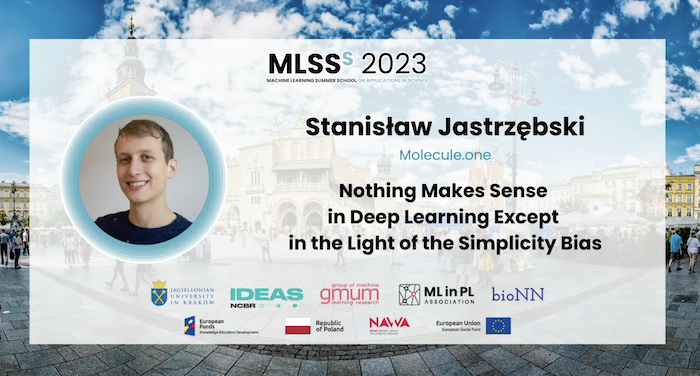
Deep Learning in the Light of the Simplicity Bias

Machine Learning Summer School 2023, Poland. ·2023. Invited talk.
watch / listen

Podcasts

How to Get Lazy Neural Networks to Produce Drugs

Biznes Myśli (BM89) [PL]. ·2020. Podcast.
watch / listen

What if I train a neural network with random data?

Data Science at Home (Ep. 87). ·2019. Podcast.
watch / listen

Current students

  • [PhD] Mateusz Pyla, co-advised with Igor Podolak
  • [PhD] Bartosz Krzepkowski, co-advised with Tomasz Gabin
Previous students

Selected Publications

For a full list please see my Google Scholar profile.

Logo image

Scaling High-Throughput Experimentation Unlocks Robust Reaction-Outcome Prediction

M. Sadowski, L. Sztukiewicz, M. Wyrzykowska, [...], S. Jastrzebski

NeurIPS 2025 Workshop AI4Science
paper
Logo image

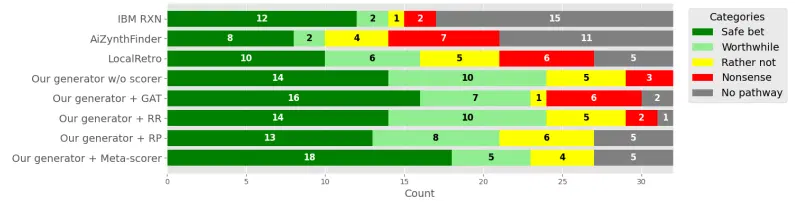
Trustworthy Retrosynthesis: Eliminating Hallucinations with a Diverse Ensemble of Reaction Scorers

M. Sadowski, [...], S. Jastrzebski

NeurIPS 2025 Workshop AI4Science
paper
Logo image

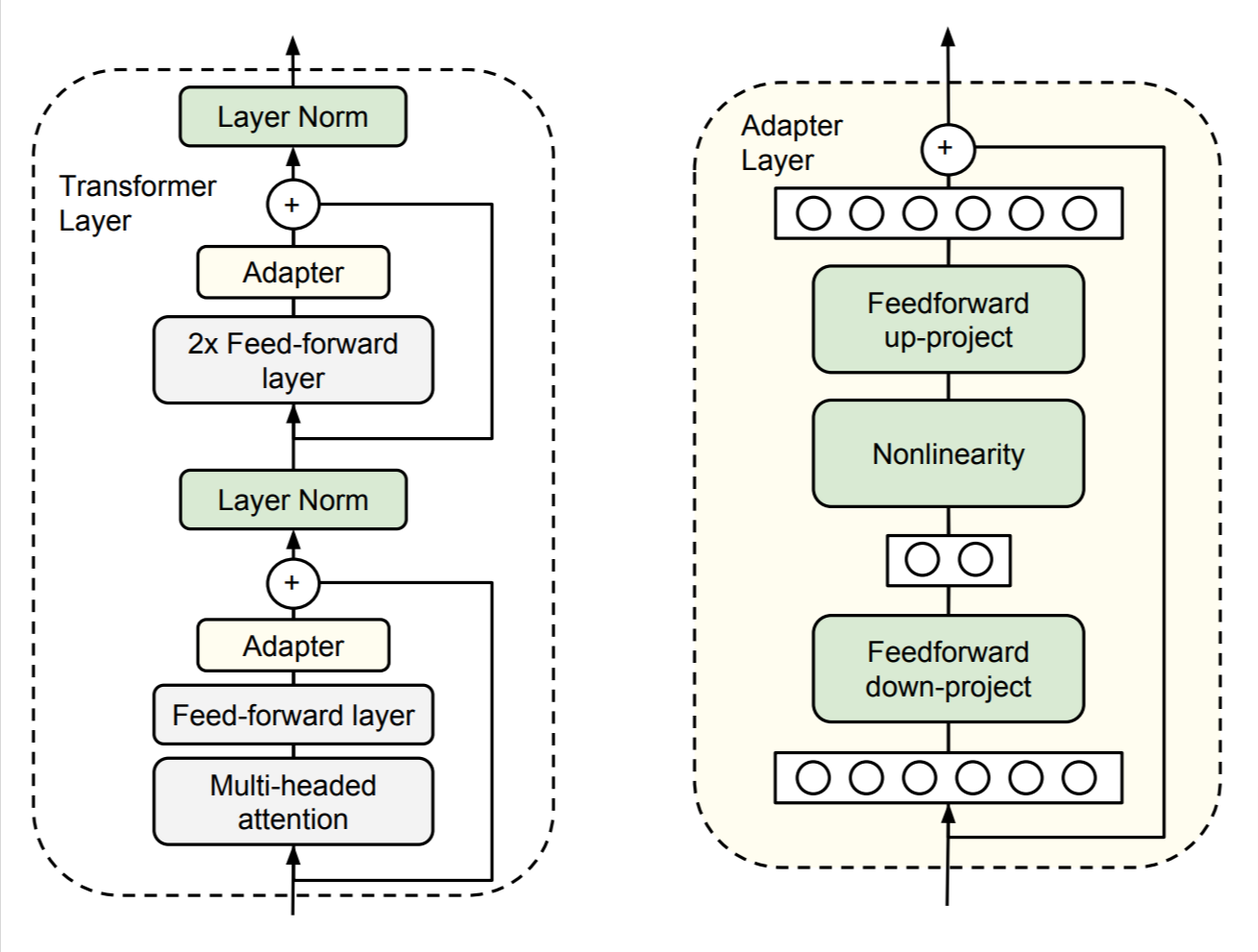
Parameter-Efficient Transfer Learning for NLP

S. Houlsby, A. Giurgiu, S. Jastrzebski, B. Morrone, Q. de Laroussilhe, A. Gesmundo, M. Attariyan, S. Gelly

International Conference on Machine Learning 2019
paper
Logo image

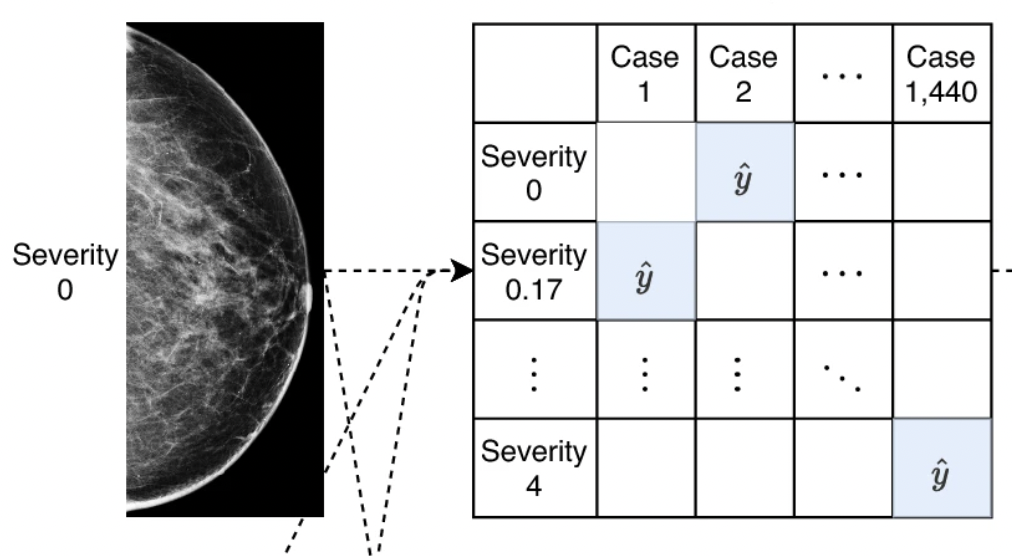
Differences between human and machine perception in medical diagnosis

T. Makino, S. Jastrzebski, Witold Oleszkiewicz, [...], Kyunghyun Cho, Krzysztof J Geras

Nature Scientific Reports 2022
paper
Logo image

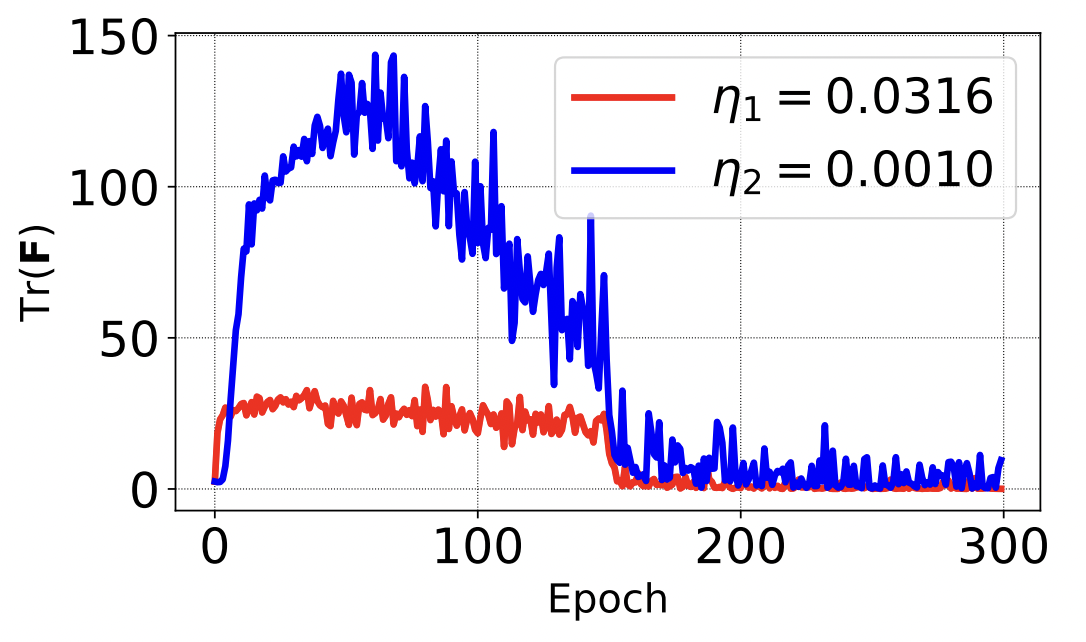
Catastrophic Fisher Explosion: Early Phase Fisher Matrix Impacts Generalization

S. Jastrzebski, D. Arpit, O. Astrand, G. Kerg, H. Wang, C. Xiong, R. Socher, K. Cho*, K. Geras*

International Conference on Machine Learning 2021
paper talk

Logo image

The Break-Even Point on the Optimization Trajectories of Deep Neural Networks

S. Jastrzębski, M. Szymczak, S. Fort, D. Arpit, J. Tabor, K. Cho*, K. Geras*

International Conference On Learning Algorithms 2020 (Spotlight)
paper talk

Logo image

Three Factors Influencing Minima in SGD

S. Jastrzębski*, Z. Kenton*, D. Arpit, N. Ballas, A. Fischer, Y. Bengio, A. Storkey

International Conference on Artificial Neural Networks 2018 (oral), International Conference on Learning Representations 2018 (workshop)
paper
Logo image

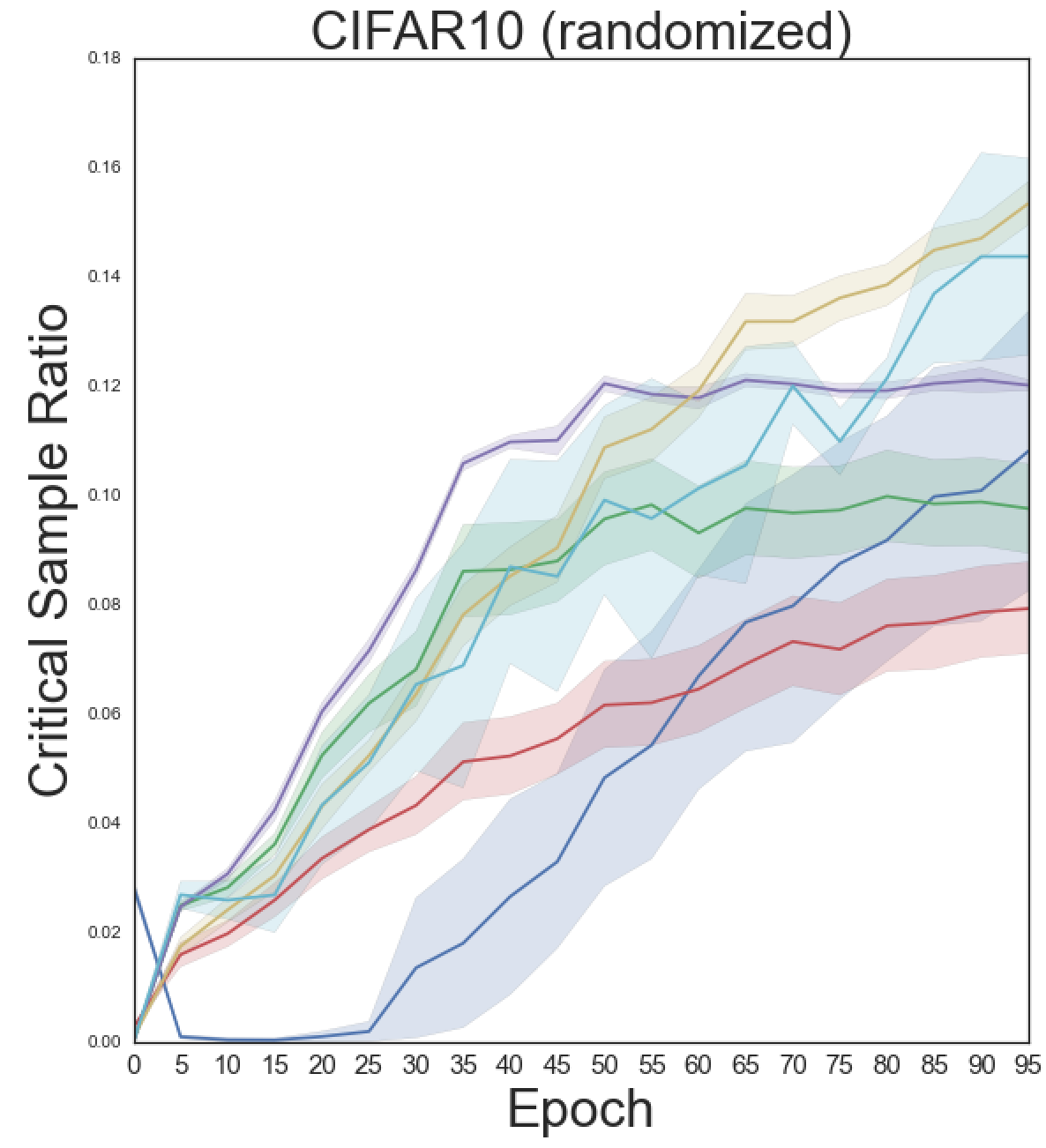
A Closer Look at Memorization in Deep Networks

D. Arpit*, S. Jastrzębski*, N. Ballas*, D. Krueger*, T. Maharaj, E. Bengio, A. Fischer, A. Courville, S. Lacoste-Julien, Y. Bengio

International Conference on Machine Learning 2017
paper poster slides